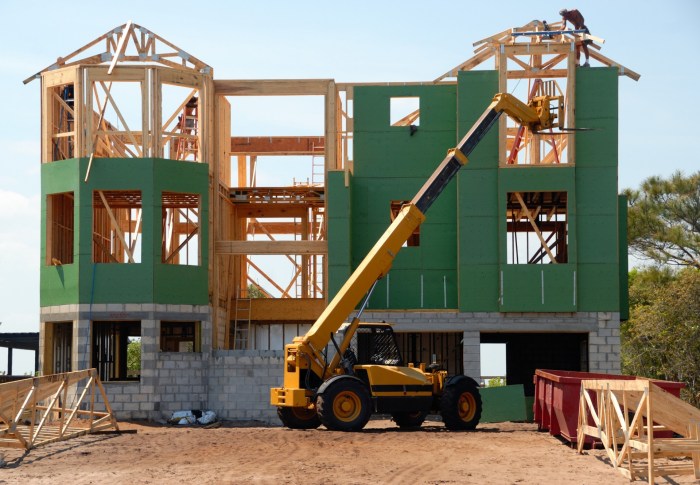
Construction safety officer jobs play a pivotal role in ensuring that building sites are safe for workers and compliant with regulations. These professionals are the backbone of safety in construction, diligently working to prevent accidents and promote a culture of health. The unique blend of technical knowledge and interpersonal skills makes this role both challenging and rewarding, attracting individuals who are passionate about safety and well-being.
As the construction industry evolves, the demand for skilled safety officers continues to rise, highlighting the importance of their responsibilities. From enforcing regulations to providing training and support, construction safety officers are essential to minimizing risks and safeguarding workers on site.
Overview of Construction Safety Officer Jobs
The role of a construction safety officer is vital in ensuring that the workplace is safe and that all regulations are adhered to on construction sites. These professionals are responsible for promoting safe work practices, identifying potential hazards, and implementing safety protocols to minimize the risk of accidents.The primary responsibilities of a construction safety officer include conducting safety inspections, developing safety plans, training workers on safety procedures, and investigating incidents.
They also work closely with management to ensure compliance with local and federal safety regulations, which play a crucial role in protecting workers and reducing liability for construction companies.
Primary Responsibilities
Construction safety officers have several key responsibilities, including:
- Conducting regular site inspections to identify safety hazards.
- Creating and modifying safety policies and procedures.
- Providing training and education to workers on safety practices.
- Investigating accidents and incidents to determine causes and recommend improvements.
- Ensuring compliance with Occupational Safety and Health Administration (OSHA) regulations and other relevant laws.
Qualifications and Certifications
To become a construction safety officer, candidates typically need a bachelor’s degree in occupational health and safety, engineering, or a related field. Relevant certifications, such as the Certified Safety Professional (CSP) or Occupational Health and Safety Technician (OHST), enhance a candidate’s qualifications and are often preferred by employers.
Importance of Safety Regulations
Safety regulations are essential in construction as they provide a framework for maintaining a safe working environment. Compliance with these regulations helps prevent accidents and injuries, protecting the workforce and minimizing financial losses for companies. The construction industry is inherently risky, and without stringent safety measures, the potential for hazards increases significantly.
Job Market and Opportunities
The job market for construction safety officers is expanding as safety becomes a top priority for construction companies. With an increasing focus on workplace safety and the introduction of stricter regulations, there is a growing demand for qualified safety professionals in the construction sector.
Current Trends in the Job Market
The trends in the job market indicate a rise in opportunities for construction safety officers. Companies are investing more in safety training and compliance programs, leading to a higher demand for qualified professionals. Moreover, as construction projects become more complex, the need for specialized safety expertise is more pronounced.
Regions with High Demand
Certain regions are experiencing a higher demand for construction safety officers due to ongoing infrastructure projects and economic growth. Urban areas with significant construction activity, such as California, Texas, and New York, often have the highest demand for safety professionals.
Salary Expectations
The salary expectations for construction safety officers vary based on experience, location, and the complexity of the projects they oversee. According to the Bureau of Labor Statistics, the median annual wage for occupational health and safety specialists, which includes construction safety officers, was approximately $76,000 as of 2022. Salaries can range from $50,000 to over $100,000 depending on various factors.
Skills and Competencies
Success as a construction safety officer requires a combination of technical, interpersonal, and organizational skills. These competencies ensure that safety protocols are effectively communicated and followed on job sites.
Essential Skills
Key skills needed for success in this role include:
- Strong knowledge of safety regulations and practices.
- Excellent communication skills to convey safety information clearly.
- Attention to detail in identifying potential hazards.
- Leadership abilities to influence and motivate workers.
- Problem-solving skills to address safety issues as they arise.
Significance of Communication and Leadership
Effective communication is critical in the role of a construction safety officer. Being able to articulate safety protocols and engage with workers fosters a culture of safety on the job site. Leadership skills are also essential, as safety officers need to inspire compliance and create an environment where workers feel comfortable discussing safety concerns.
Importance of Technical Skills
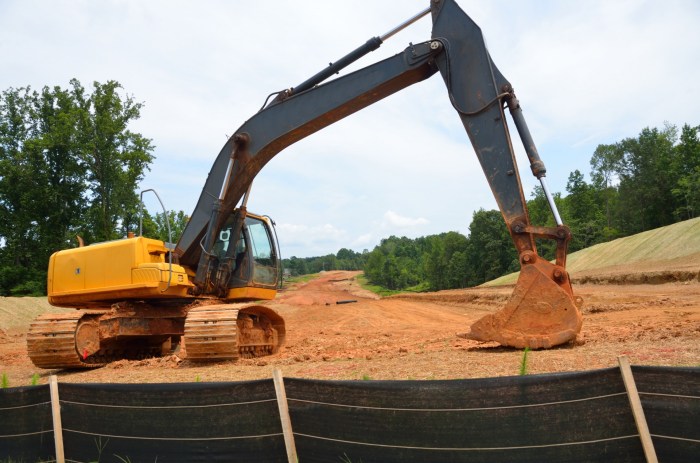
Technical skills related to health and safety practices are paramount for construction safety officers. This includes understanding safety equipment, hazard recognition, and risk assessment methodologies, which are all essential in implementing effective safety measures.
Training and Education
Training and education play a significant role in preparing individuals for careers as construction safety officers. Various programs and certifications are available to enhance knowledge and skills in the field of occupational safety and health.
Types of Training Programs
Aspiring construction safety officers can benefit from several training programs, such as:
- Occupational Safety and Health Administration (OSHA) training courses.
- Workshops on risk assessment and management.
- First aid and CPR training.
- Safety management courses offered by technical colleges.
Recommended Certifications
Obtaining certifications can significantly enhance career prospects. Some of the most recognized certifications include:
- Certified Safety Professional (CSP)
- Construction Health and Safety Technician (CHST)
- Occupational Health and Safety Technologist (OHST)
Ongoing Education
Ongoing education is essential for maintaining safety standards and staying updated with the latest regulations and technologies. Many organizations offer continuing education courses and workshops to help safety professionals keep their skills sharp and knowledge current.
Health and Safety Regulations
Understanding health and safety regulations is crucial for construction safety officers. These regulations not only protect workers but also ensure that construction companies comply with legal requirements.
Key Regulations Overview
Key health and safety regulations relevant to construction include:
- Occupational Safety and Health Act (OSHA) standards.
- Environmental Protection Agency (EPA) regulations regarding hazardous materials.
- State-specific safety codes and guidelines.
Enforcement of Compliance
Construction safety officers play a crucial role in enforcing compliance with health and safety regulations. They conduct regular audits, provide training, and ensure that safety protocols are implemented and followed by all workers on site.
Case Studies of Successful Implementations
Successful safety implementations on construction projects can serve as excellent examples. For instance, a large construction firm that adopted a comprehensive safety management system saw a significant reduction in workplace accidents after implementing regular safety training and hazard assessments.
Related Health Fields
The field of health and safety in construction has connections to other health-related occupations, highlighting the importance of comprehensive health management in various sectors.
Relationship with Home Health Care
The relationship between health and safety jobs and home health care is significant, as both fields prioritize worker and public safety. Professionals in both areas often share similar training in risk assessment and emergency response.
Health Equity in Construction Safety
Health equity is vital in construction safety, ensuring that all workers have access to the same level of protection and resources, regardless of their background or position. This aspect is crucial in promoting fair treatment and safe working conditions for all employees.
Comparison with Health and Social Care Positions
When comparing construction safety officer roles with positions in health and social care, both professions require a commitment to promoting health and safety. However, construction safety focuses more on the physical environment and regulatory compliance, while health care emphasizes patient care and support services.
Health Tips for Construction Workers
Staying healthy and safe on the job is essential for construction workers. Implementing health tips can significantly improve worker safety and performance.
Comprehensive Health Tips
Here are some essential health tips for construction workers:
- Wear appropriate personal protective equipment (PPE) at all times.
- Stay hydrated, especially in hot weather conditions.
- Take regular breaks to avoid fatigue.
- Engage in stretching exercises to prevent injuries.
Role of Healthy Food
Healthy food plays a critical role in maintaining worker performance and safety. A balanced diet contributes to better energy levels, focus, and overall health, which are essential for high-risk jobs like construction.
Common Health Issues and Prevention Strategies
Construction workers often face health issues such as musculoskeletal disorders, heat-related illnesses, and respiratory problems. Prevention strategies include ergonomic training, access to hydration stations, and regular health screenings.
Health Diagnostics in Construction
Health diagnostics are essential for preventing workplace injuries and ensuring the well-being of construction workers. Regular health assessments can help identify potential health risks before they lead to serious issues.
Importance of Health Diagnostics
Health diagnostics play a crucial role in detecting early signs of health problems, allowing for timely interventions. This proactive approach can significantly reduce workplace injuries and improve overall safety.
Examples of Health Assessments
Common health assessments used in the construction industry include:
- Pre-employment physical examinations.
- Hearing and vision tests.
- Respiratory function testing for workers exposed to hazardous materials.
Role of Health Clinics
Health clinics are instrumental in supporting the health of construction workers. They provide necessary medical evaluations, ongoing health education, and rehabilitation services for injured workers, contributing to a safer work environment.
Future Trends in Construction Safety
The future of construction safety is evolving with technological advancements and changing regulations. These trends will shape the roles of safety officers in the coming years.
Emerging Technologies
Emerging technologies such as drones, wearable safety equipment, and advanced software for safety management are set to impact construction safety officer jobs. These innovations can enhance monitoring and compliance efforts, making construction sites safer.
Potential Changes in Regulations
As the construction industry evolves, regulations will likely adapt to address new safety challenges. Keeping abreast of these changes will be essential for safety professionals to ensure ongoing compliance and worker safety.
Evolving Health and Medical Education
The evolution of health and medical education in construction safety reflects the need for a more comprehensive understanding of health risks. Training programs are increasingly incorporating topics like mental health and wellness, emphasizing the holistic approach to worker safety.
Epilogue
In summary, construction safety officer jobs are not just about compliance; they are integral to fostering a safe working environment that benefits everyone involved in a project. As the industry adapts to new technologies and regulations, the role of safety officers will continue to expand, making it an exciting time for those considering this career path. With the right qualifications and a commitment to ongoing education, aspiring safety officers can make a significant impact in the construction sector.
FAQ Corner
What are the primary responsibilities of a construction safety officer?
A construction safety officer is responsible for ensuring compliance with health and safety regulations, conducting site inspections, providing training to workers, and developing safety plans.
What qualifications do I need to become a construction safety officer?
Typically, a degree in safety management or a related field is required, along with certifications such as OSHA or NEBOSH.
What skills are essential for success in this role?
Essential skills include strong communication, attention to detail, problem-solving abilities, and a solid understanding of safety regulations and procedures.
Is ongoing education important for construction safety officers?
Yes, ongoing education helps safety officers stay updated on the latest regulations, technologies, and best practices in the industry.
What salary can I expect in this career?
Salary expectations can vary widely based on experience, location, and the specific sector of the construction industry, but typically range from $50,000 to $80,000 annually.