Healthy food for weight loss isn’t just a trend—it’s a lifestyle choice that can lead to significant improvements in overall well-being. By focusing on nutrition, individuals can effectively manage their weight while enjoying a variety of delicious foods. This guide explores the essential components of healthy eating, including the role of key nutrients and the impact of meal planning on weight loss.
Incorporating fruits, vegetables, whole grains, and lean proteins into daily diets not only aids in weight loss but also enhances overall health. Through thoughtful meal planning and making informed food choices, anyone can achieve their weight loss goals while sustaining a positive relationship with food.
Importance of Healthy Food for Weight Loss
Healthy food plays a crucial role in weight loss, acting as the foundation for successful weight management. Nutrition is essential not only for maintaining a healthy weight but also for overall well-being. By incorporating nutrient-dense foods into our diets, we can support our body’s needs while simultaneously shedding excess pounds.Nutrition influences weight management by providing the body with the necessary nutrients to function optimally.
Healthy foods, rich in vitamins, minerals, and antioxidants, help boost metabolism, reduce cravings, and promote satiety. When we prioritize wholesome foods, we can enjoy numerous benefits, including improved energy levels, enhanced mood, and better digestion. Key nutrients that facilitate weight loss include protein, fiber, and healthy fats. Protein helps build and maintain muscle mass, which is vital for burning calories efficiently.
Fiber aids in digestion and keeps us feeling full longer, while healthy fats support overall health and can also promote satisfaction with meals.
Types of Healthy Foods for Weight Loss
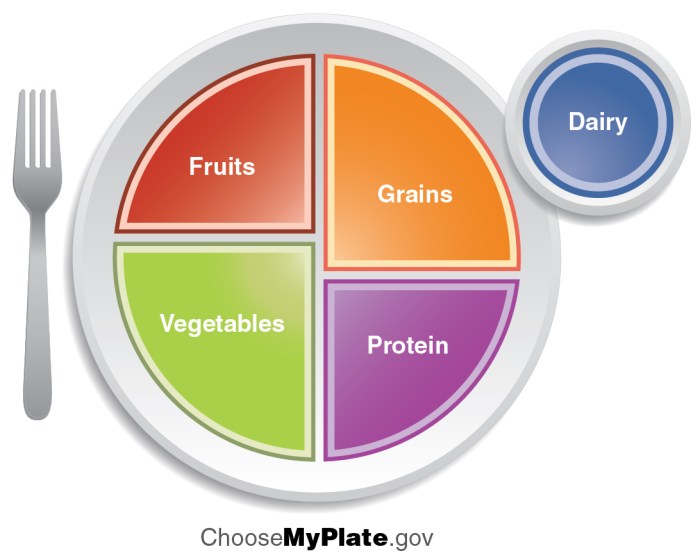
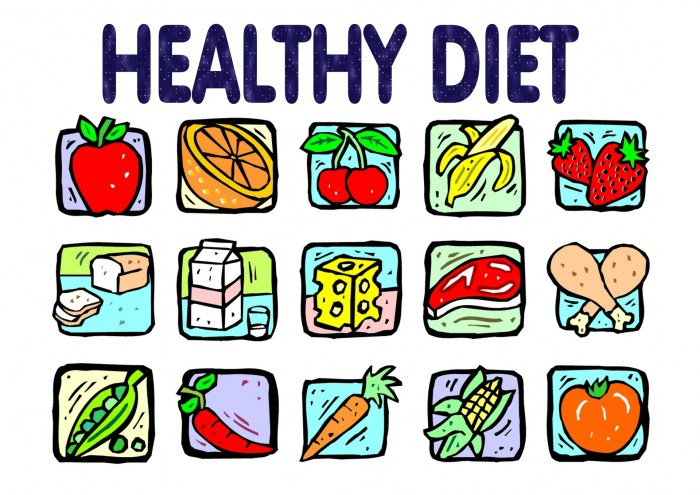
Eating a variety of healthy foods is essential for those looking to manage their weight effectively. Here are some categories of foods that can significantly benefit weight loss efforts:
- Fruits and Vegetables:
- Leafy greens (spinach, kale)
- Cruciferous vegetables (broccoli, cauliflower)
- Berries (strawberries, blueberries)
- Citrus fruits (oranges, grapefruits)
- Apples and pears
- Whole Grains:
- Quinoa
- Brown rice
- Whole wheat pasta
- Oats
- Barley
- Protein Sources:
- Lean meats (chicken, turkey)
- Fish (salmon, tuna)
- Legumes (beans, lentils)
- Nuts and seeds (almonds, chia seeds)
- Low-fat dairy (Greek yogurt, cottage cheese)
Meal Planning for Weight Loss
Creating a balanced meal plan focused on healthy foods can significantly enhance weight loss efforts. A well-structured meal plan ensures that you receive all necessary nutrients while managing caloric intake effectively. It’s important to incorporate a mix of protein, healthy fats, and carbohydrates in every meal.Portion control is another key aspect of meal planning. Being mindful of serving sizes helps prevent overeating and supports caloric balance.
Additionally, understanding your daily caloric needs can guide you in curating meals that align with your weight loss goals.Meal prepping is a practical strategy for maintaining a healthy diet. Preparing meals in advance not only saves time but also reduces the temptation to choose unhealthy options on busy days. Consider dedicating a few hours each week to cook and portion out meals, ensuring you have nutritious options readily available.
Connection to Home Health Care
Healthy eating profoundly influences overall home health care practices. Proper nutrition plays a vital role in recovery, chronic disease management, and overall health maintenance. Home health care providers can significantly impact patients’ dietary habits by encouraging healthy food choices and providing appropriate guidance.Home health care providers can support patients by offering resources, meal planning tips, and nutritional education. This ensures that patients are equipped to make informed decisions regarding their diet, fostering better health outcomes.
Nutrition education is a crucial component of home health care settings. Providing patients with knowledge about healthy eating habits empowers them to take charge of their health, leading to improved well-being and weight management.
Health Blog and Community Support
Engaging with health blogs that focus on healthy eating and weight loss can provide valuable insights and inspiration. Popular blogs often feature success stories, nutritious recipes, and expert advice that can motivate individuals on their weight loss journeys.Community support is instrumental in achieving weight loss goals. Connecting with others who share similar objectives fosters accountability and encouragement. Platforms like social media groups, local weight loss meetings, and online forums provide a space for sharing experiences and advice.Individuals can find healthy recipes and meal ideas on various platforms, including dedicated websites and mobile apps.
These resources often feature user-generated content, allowing for diverse and creative meal options that make healthy eating enjoyable.
Health Equity in Nutrition
Health equity in nutrition focuses on ensuring that all individuals have access to healthy foods, regardless of socioeconomic status. Access to nutritious meals is essential for promoting overall health and preventing diet-related diseases.Low-income communities often face significant barriers to accessing nutritious foods, including a lack of grocery stores, limited availability of fresh produce, and higher prices for healthy options. Addressing these disparities is crucial for promoting health equity.Several initiatives aim to improve food access for all populations.
Community gardens, farmers’ markets, and nutrition assistance programs help bridge the gap, providing fresh fruits and vegetables to underserved areas.
Health and Fitness Integration
The synergy between healthy eating and regular exercise cannot be overstated. A well-rounded approach to weight loss incorporates both nutrition and physical activity, maximizing results and enhancing overall health.To achieve optimal weight loss, it is essential to combine physical activity with a nutritious diet. Regular exercise not only burns calories but also builds muscle mass, which can further support metabolism.
Examples of workouts that complement a healthy eating plan include strength training, cardio exercises, and flexibility workouts like yoga. Balancing these activities with a healthy diet creates a sustainable lifestyle conducive to long-term weight management.
Addressing Health Anxiety Related to Food
Managing anxiety around food choices and dieting is crucial for maintaining a healthy relationship with food. Strategies such as mindfulness practices, journaling, and seeking support can help individuals overcome food-related anxiety.A positive relationship with food is essential for success in weight loss journeys. Fostering an understanding that all foods can fit into a healthy diet encourages balanced eating rather than restrictive practices.Resources for individuals struggling with food-related anxiety issues include counseling, support groups, and online forums.
Engaging with these resources can provide valuable support and coping strategies.
Role of Health Clinics in Nutrition Education
Health clinics play a vital role in providing nutritional counseling for weight loss. These clinics can offer personalized advice based on individual health needs and dietary preferences.Programs offered by health clinics to promote healthy eating may include workshops, cooking classes, and one-on-one consultations. These initiatives help educate patients about nutrition, empowering them to make informed dietary choices.Regular health check-ups are essential in weight management.
Health clinics can monitor progress, provide feedback, and adjust dietary plans as needed to ensure that patients stay on track with their weight loss goals.
Health Benefits of Specific Foods
Superfoods, known for their high nutrient density, offer numerous health benefits that support weight loss. Foods like quinoa, chia seeds, and leafy greens are packed with essential vitamins and minerals that promote overall health.Healthy snacks can assist in weight loss without compromising nutrition. Options such as hummus with veggies, Greek yogurt with berries, and air-popped popcorn are not only satisfying but also nutrient-rich.Herbal supplements may support a healthy diet, with options like green tea extract and garcinia cambogia known for their potential weight loss benefits.
However, it’s essential to consult with a healthcare provider before incorporating supplements into your routine.
Health and Medical Education on Nutrition
Incorporating nutrition education in health and medical training is crucial for preparing professionals to address dietary concerns in their practice. A solid understanding of the relationship between diet and health enables healthcare providers to offer comprehensive support to patients.Courses focused on nutrition and its impact on health are increasingly becoming part of medical curricula. These programs train healthcare professionals to recognize the significance of diet in disease prevention and management.Initiatives aimed at educating healthcare professionals about nutrition include workshops, certifications, and interdisciplinary conferences.
Ensuring that providers are well-informed promotes better patient outcomes and supports effective weight management strategies.
Healthy Food Resources
Several tools are available for tracking healthy food choices and weight loss. Apps like MyFitnessPal and Lose It! help users log their meals, monitor caloric intake, and set weight loss goals.Meal planning apps can streamline the process of creating healthy meal plans and provide nutritional analysis for recipes. These digital resources make it easier to maintain a balanced diet.Websites dedicated to healthy eating and weight loss strategies offer a wealth of information, including tips, recipes, and resources.
Exploring these platforms can provide guidance and support for individuals looking to adopt healthier eating habits.
Ending Remarks
In conclusion, embracing healthy food for weight loss is a powerful step towards a healthier lifestyle. Understanding the balance of nutrition and exercise, as well as the resources available for support, can make the journey enjoyable and successful. By prioritizing healthy eating, you’re not just losing weight—you’re investing in your long-term health and happiness.
Questions Often Asked
What are some quick healthy snacks for weight loss?
Some quick healthy snacks include fresh fruits, Greek yogurt, nuts, and vegetable sticks with hummus.
Can I lose weight while eating carbs?
Yes, incorporating whole grains and healthy carbs in moderation can support weight loss when balanced with other nutrients.
How important is meal prepping for weight loss?
Meal prepping helps control portions and reduce the temptation to eat unhealthy options, making it a key component of successful weight loss.
Are there any specific foods that boost metabolism?
Foods like green tea, chili peppers, and protein-rich foods can help boost metabolism and support weight loss efforts.
How can I maintain weight loss after reaching my goal?
Maintaining weight loss involves consistent healthy eating, regular physical activity, and ongoing support from friends or communities.