With heart health tips at the forefront, let’s dive into the significance of keeping our hearts in top shape. Heart health is not just about avoiding illness; it’s about enhancing our overall well-being and ensuring we can enjoy life to its fullest.
Heart disease is a leading cause of death globally, making it crucial to adopt habits that promote cardiovascular wellness. This guide is designed to equip you with practical tips and insights to maintain a healthy heart, from daily habits to nutritional choices.
Importance of Heart Health
Maintaining heart health is crucial for overall well-being. The heart is central to the circulatory system, pumping blood throughout the body, supplying oxygen and nutrients to tissues, and removing waste products. A healthy heart not only contributes to physical vitality but also enhances emotional and mental health, creating a holistic approach to wellness.The significance of heart health extends to longevity and quality of life.
Statistics reveal that heart disease remains a leading cause of death worldwide, accounting for nearly one-third of all deaths. In the United States alone, approximately 697,000 people died from heart disease in 2020. These alarming figures underline the necessity of proactive heart health management for a longer, healthier life.
Daily Heart Health Tips
Incorporating daily heart-healthy habits can make a significant difference. Here are some practical tips to help promote heart health:
- Stay active: Aim for at least 150 minutes of moderate aerobic activity each week.
- Maintain a healthy weight: A balanced diet and regular exercise can help manage body weight.
- Monitor blood pressure: Keeping your blood pressure in check is vital for heart health.
- Limit alcohol: If you drink, do so in moderation.
- Avoid smoking: Smoking cessation improves heart health and overall well-being.
Hydration plays a pivotal role in maintaining cardiovascular wellness. Drinking enough water helps keep the blood flowing smoothly and supports the heart’s efforts to pump efficiently. Dehydration can lead to thicker blood and increased strain on the heart.Regular physical activity is fundamental for a healthy heart. Engaging in exercises such as walking, cycling, or swimming strengthens the heart muscle, improves circulation, and reduces the risk of heart disease.
Healthy Food Choices
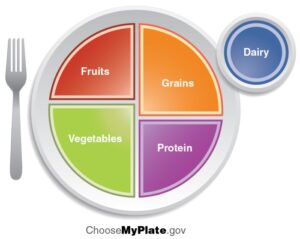
Nutrition is a cornerstone of heart health. A diet rich in fruits, vegetables, and whole grains supports cardiovascular function and overall health. These foods are typically low in unhealthy fats and high in essential nutrients and fiber.Here’s a detailed guide on heart-healthy foods:
- Fruits: Berries, apples, and oranges are packed with antioxidants and vitamins.
- Vegetables: Leafy greens, such as spinach and kale, are excellent sources of vitamins and minerals.
- Whole grains: Brown rice, quinoa, and oats provide fiber, which helps lower cholesterol.
- Nuts and seeds: Almonds, walnuts, and flaxseeds are rich in healthy fats and omega-3 fatty acids.
- Fatty fish: Salmon, mackerel, and sardines are high in omega-3s, beneficial for heart health.
Incorporating omega-3 fatty acids into your diet is particularly beneficial. These healthy fats can reduce inflammation and lower the risk of heart disease. Foods rich in omega-3s include fatty fish, chia seeds, and walnuts.For a heart-healthy meal plan, consider the following dishes and snacks:
- Breakfast: Oatmeal topped with berries and a sprinkle of flaxseed.
- Lunch: Quinoa salad with mixed vegetables and a lemon vinaigrette.
- Dinner: Grilled salmon with steamed broccoli and sweet potatoes.
- Snacks: A handful of almonds or carrot sticks with hummus.
Home Health Care Practices
Home health care can be instrumental in managing heart health. It encompasses various practices that allow individuals to monitor and improve their cardiovascular condition comfortably at home.Monitoring blood pressure and cholesterol levels at home is essential. Regular check-ups help identify potential issues early, allowing for timely interventions. Home health devices, such as blood pressure monitors, can aid in this process.Creating a heart-healthy environment at home involves several strategies.
Consider these tips:
- Cook healthy meals at home to control ingredients and portion sizes.
- Incorporate physical activity into your daily routine, such as taking the stairs or walking during breaks.
- Limit processed foods and sugary snacks to promote better dietary choices.
Health and Fitness
A structured fitness routine is vital for improving heart health. It should include a mix of cardiovascular exercises and strength training. Cardiovascular workouts, such as running or cycling, elevate heart rate, while strength training helps build muscle and reduce fat.Balancing these two types of exercises is important. For optimal heart health, aim for at least 150 minutes of moderate aerobic activity combined with two or more days of strength training each week.Staying motivated in a heart fitness program can be challenging.
Here are some strategies to keep your momentum:
- Set realistic and achievable goals.
- Track your progress to celebrate small victories.
- Find a workout buddy to keep each other accountable.
- Explore different activities to keep your routine fresh and exciting.
Health Equity in Heart Health
Disparities in heart health persist among different populations, influenced by factors such as socioeconomic status, access to healthcare, and education. Recognizing these disparities is the first step towards addressing them.Accessible healthcare services play a critical role in improving heart health equity. Initiatives that provide education, screenings, and preventive care can significantly impact underserved communities. Collaborative efforts, including community health programs, can help spread awareness and promote heart-healthy lifestyles.
Managing Health Anxiety Related to Heart Health
Anxiety concerning heart health issues is common, particularly among individuals with a family history of heart disease. Techniques to manage this anxiety include mindfulness practices, such as meditation and deep breathing exercises.The psychological impact of heart disease extends beyond physical symptoms, affecting mental well-being. Understanding the emotional aspect of heart health is essential for comprehensive care. Resources, such as support groups and counseling services, can provide invaluable assistance for individuals experiencing health anxiety.
Role of Health Clinics in Heart Health
Health clinics specializing in cardiovascular care offer essential services ranging from screenings to lifestyle counseling. Regular check-ups and screenings for heart disease prevention are crucial aspects of maintaining heart health.Patients often report positive experiences at heart health clinics, emphasizing the importance of personalized care and support. Testimonials highlight how these clinics provide encouragement and valuable resources, empowering individuals to take charge of their heart health.
Health Education and Heart Health
Designing an educational program to inform the community about heart health is vital. Such programs can cover topics like nutrition, exercise, and the importance of regular check-ups.Teaching children about heart-healthy habits from an early age instills lifelong practices that promote cardiovascular health. Engaging educational initiatives can raise awareness and foster a culture of health within communities.Resources for ongoing heart health education initiatives include local health fairs, workshops, and online platforms that offer credible information and support.
Health and Medical Insurance Considerations
Understanding health insurance coverage for heart disease treatment is crucial for managing healthcare expenses. Patients should be informed about their plans, including what preventive care services are included.Preventive care services, such as screenings and wellness visits, are often covered by health insurance and can aid in early detection of heart issues. A checklist for patients to ensure they utilize their health benefits effectively can include:
- Reviewing your insurance policy for covered services.
- Scheduling regular check-ups and screenings.
- Keeping track of medical expenses and available benefits.
Final Conclusion
In summary, taking care of your heart is essential for longevity and quality of life. By incorporating these heart health tips into your routine and prioritizing your cardiovascular health, you can significantly enhance your overall well-being and enjoy a more vibrant life.
User Queries
What are the signs of heart disease?
Common signs include chest pain, shortness of breath, fatigue, and irregular heartbeat.
How often should I have my heart checked?
It’s generally recommended to have a check-up at least once a year, but consult your doctor for personalized advice.
Can stress affect my heart health?
Yes, chronic stress can contribute to heart issues; managing stress is vital for heart health.
Is it too late to improve my heart health?
No, it’s never too late to make positive changes that can benefit your heart.
What role does sleep play in heart health?
Quality sleep is essential for heart health, as poor sleep can increase the risk of heart disease.