
How to become a health care assistant is an exciting journey into a rewarding career that plays a critical role in the healthcare system. As the backbone of patient support, health care assistants provide essential care and assistance, bridging the gap between patients and medical professionals. Their work not only enhances patient well-being but also fosters a compassionate environment crucial for healing.
In this guide, we will explore the responsibilities of health care assistants, the necessary educational pathways, and the skills required to thrive in this field. From understanding the significance of their role within the healthcare framework to learning how to promote health and wellness, this overview will equip you with the knowledge to embark on a fulfilling career.
Introduction to Health Care Assistants
Health care assistants (HCAs) play a vital role in the healthcare system, providing essential support to both patients and healthcare professionals. Their responsibilities include assisting with daily living activities, monitoring patient health, and offering emotional support. The importance of health care assistants cannot be overstated, as they often serve as the primary point of contact for patients, ensuring that their needs are met with compassion and efficiency.To excel in this role, certain skills are required.
Effective communication, empathy, patience, and the ability to work well under pressure are crucial. Additionally, HCAs must possess a basic understanding of health care principles and practices to provide safe and effective support.
Educational Requirements
To embark on a career as a health care assistant, specific educational qualifications are necessary. Typically, a high school diploma or equivalent is required, along with completion of relevant training programs. Many HCAs also hold certifications that demonstrate their proficiency in essential skills.Relevant certifications include the Certified Nursing Assistant (CNA) and various health and safety training programs. These certifications not only enhance job prospects but also equip HCAs with the knowledge needed to provide quality care.
| Training Organization | Course Duration | Certification Offered | Location |
|---|---|---|---|
| Healthcare Training Institute | 6 months | CNA Certification | Online/On-site |
| National Care Training | 3 months | HCA Certification | On-site |
| Red Cross Training Center | 4 months | CNA Certification | On-site |
Getting Started in the Field
Finding job opportunities as a health care assistant can be facilitated through various methods. Networking within healthcare facilities, attending job fairs, and utilizing online job boards are effective strategies. Additionally, many hospitals and clinics maintain a list of open positions on their websites.Volunteering or participating in internships is highly beneficial for gaining practical experience. Such experiences not only enhance skills but also provide valuable insights into the day-to-day responsibilities of HCAs.
Employers often seek candidates who demonstrate dedication and a willingness to learn, making these experiences crucial for aspiring HCAs.Key qualities that employers look for in health care assistant candidates include:
- Compassion and empathy towards patients
- Strong communication and interpersonal skills
- Ability to work collaboratively within a healthcare team
- Attention to detail and organizational skills
- Adaptability and resilience in challenging situations
Home Health Care
Health care assistants play a significant role in home health care settings, where they provide personalized care to patients in the comfort of their homes. This environment differs from traditional care settings, as HCAs must adapt to the unique challenges and dynamics of home care.In home health care, HCAs are responsible for tasks such as medication management, personal hygiene assistance, and meal preparation.
They must also ensure the safety and well-being of their clients. Key tips for HCAs working in clients’ homes include adhering to safety protocols, maintaining clear communication with clients and their families, and being respectful of personal spaces.
Health and Social Care Integration
Health care assistants support the integration of health and social care by working collaboratively with other healthcare professionals. This interdisciplinary approach is essential for providing comprehensive care to patients, especially those with complex needs.Collaboration involves regular communication and coordination among HCAs, nurses, doctors, social workers, and therapists. Successful case studies illustrate how effective teamwork between these professionals improves patient outcomes and promotes holistic care.
Health and Wellness Promotion
Health care assistants have the opportunity to promote health and wellness by sharing valuable tips with clients. Educating clients about healthy habits, such as regular exercise and balanced nutrition, can significantly impact their overall well-being.Promoting healthy food choices and nutrition is crucial, as many patients may struggle with dietary restrictions or unhealthy eating habits. HCAs can organize activities such as cooking demonstrations or fitness classes to encourage clients to adopt healthier lifestyles.
- Cooking classes focusing on healthy meal preparation
- Walking groups to promote physical activity
- Workshops on managing chronic conditions through diet and exercise
Addressing Health Equity
Health equity is a fundamental concept in healthcare, emphasizing the need for fair access to health services for all individuals, regardless of their background. Health care assistants play a vital role in advocating for health equity, particularly among diverse populations.HCAs can engage in community outreach programs that aim to improve health access and equity. By raising awareness and providing support to underrepresented groups, HCAs contribute to reducing health disparities and promoting inclusivity in healthcare.
Health Care Systems Overview
Health care assistants work across various healthcare systems, each with its unique characteristics. Understanding the differences between public and private healthcare systems is essential for HCAs to navigate their roles effectively.Public healthcare systems typically provide services funded by the government, while private systems rely on individual or employer payments. This distinction influences the availability and accessibility of services, impacting the patients HCAs serve.
| Country/Region | Public Healthcare System | Private Healthcare System |
|---|---|---|
| United Kingdom | National Health Service (NHS) | Private health insurance |
| United States | Medicare/Medicaid | Various private insurances |
| Canada | Medicare | Private health insurance |
Emotional and Mental Well-Being
Health care assistants often encounter clients who experience health anxiety and other emotional challenges. It is important for HCAs to implement strategies to manage these concerns effectively. Active listening and validating clients’ feelings can significantly ease their anxieties.Mental health awareness is a crucial aspect of caregiving. HCAs should receive training on recognizing signs of mental distress and know when to refer clients to appropriate mental health resources.
Additionally, practicing self-care is essential to prevent burnout, allowing HCAs to remain effective in their roles.Methods for health care assistants to practice self-care include:
- Engaging in regular physical activity
- Participating in mindfulness or relaxation techniques
- Maintaining a healthy work-life balance
Future of Health Care Assistants
The future of health care assistants is being shaped by several trends, including advancements in technology and evolving patient care requirements. As telehealth and digital health solutions become more prevalent, HCAs will need to adapt to new tools and technologies that enhance patient care.The integration of artificial intelligence and data analytics in healthcare is also expected to impact the role of HCAs.
These advancements can streamline processes and allow HCAs to focus more on direct patient care.In terms of education, there is a growing emphasis on ongoing professional development for health care assistants. As the healthcare landscape evolves, HCAs will benefit from training programs that equip them with the skills necessary to excel in their roles.
Conclusive Thoughts
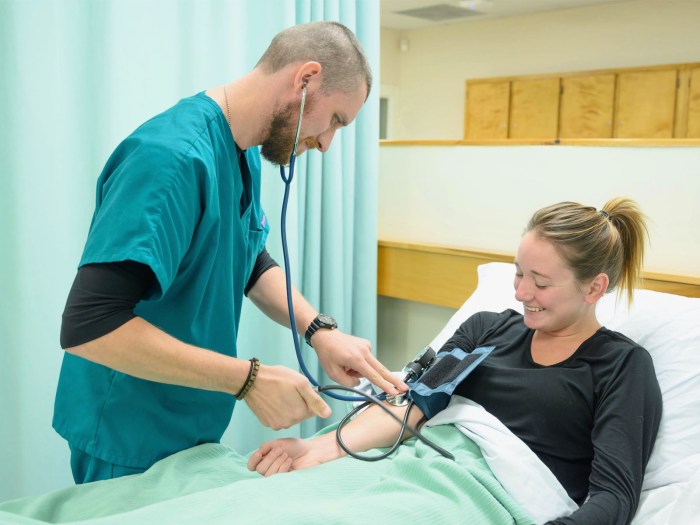
In conclusion, becoming a health care assistant opens the door to numerous opportunities for personal and professional growth. By understanding the integral functions they serve in various healthcare settings and embracing continuous learning, health care assistants can significantly impact the lives of those they support. Whether working in-home care or collaborating with multi-disciplinary teams, this role is pivotal in shaping a healthier future for our communities.
Top FAQs
What qualifications do I need to become a health care assistant?
Most positions require a high school diploma and completion of a relevant training program, along with certifications in CPR and first aid.
Is experience necessary to become a health care assistant?
While not always required, experience through volunteering or internships can greatly enhance your employability.
What skills are essential for health care assistants?
Key skills include empathy, communication, patience, and the ability to work well in a team.
Are health care assistants only needed in hospitals?
No, they are also essential in home care settings, nursing homes, and community health organizations.
What is the average salary of a health care assistant?
The average salary varies by location and experience but typically ranges from $25,000 to $35,000 annually.